
Political campaigning online has undeniably become heavily concentrated on a few major platforms, and this concentration raises important concerns for the health of democratic processes. The dominance of platforms like Facebook, Twitter, and Google in the online political sphere has several implications, both positive and negative.

One of the primary advantages of focusing on a few platforms is the ability to reach a vast audience quickly and efficiently. These platforms have billions of users, making it relatively easy for political campaigns to connect with potential voters and supporters. This reach can be particularly useful for emerging candidates and smaller political movements that lack the resources for extensive offline campaigning.
Moreover, the data-driven nature of online platforms allows campaigns to target specific demographics with precision, tailoring their messages to appeal to different groups. This level of micro-targeting can make campaigns more efficient and cost-effective. For instance, they can reach out to young voters on Instagram, engage with professionals on LinkedIn, or appeal to older demographics on Facebook. This fine-grained approach can help candidates more effectively mobilize their base and persuade undecided voters.



However, this concentration of online political campaigning also has significant downsides. First and foremost, it can foster an echo chamber effect. When campaigns focus their efforts on just a few platforms, they risk only reaching voters who are already active on those platforms. This can lead to reinforcement of pre-existing beliefs and a lack of exposure to diverse perspectives, which is detrimental to a healthy democracy. Voters may be less likely to engage in open, constructive dialogue, and the polarization of political discourse can be exacerbated.
Furthermore, the power of a few tech giants in shaping the political narrative is concerning. They have the ability to control the visibility of content and influence the information flow during elections. Algorithms used by these platforms can prioritize sensational or emotionally charged content over well-reasoned policy discussions, which can divert attention away from substantive issues. The opaque nature of these algorithms and their potential for bias pose a threat to the integrity of the electoral process.
In addition, the concentration of political campaigns on a few platforms raises concerns about privacy and data security. The vast amounts of personal data collected by these companies for targeted advertising can be exploited or misused, as demonstrated by the Cambridge Analytica scandal. This not only infringes on individual privacy but can also undermine the integrity of elections by enabling manipulative tactics that exploit voters’ psychological vulnerabilities.
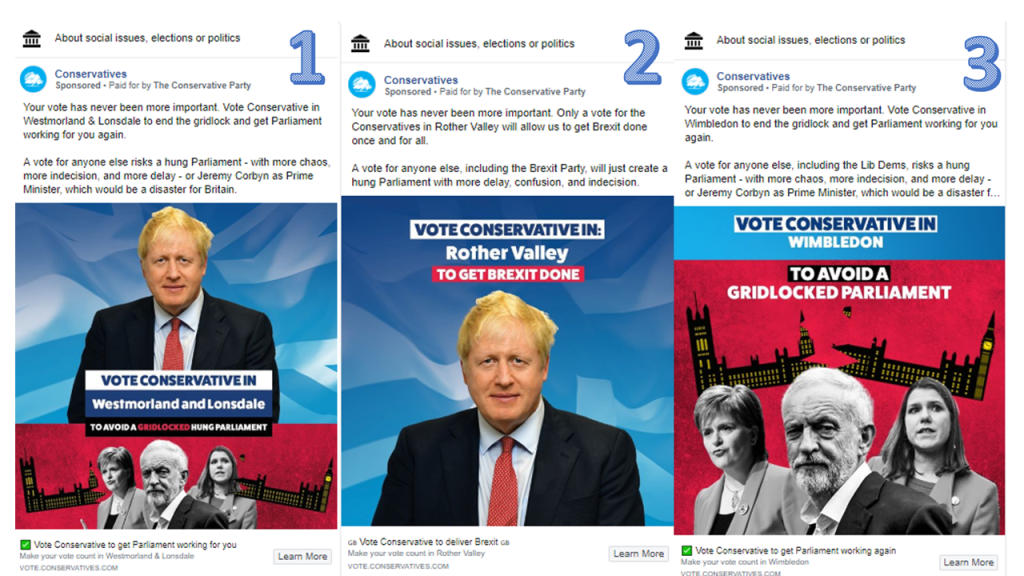
Moreover, the dominance of a few platforms can make political campaigns susceptible to arbitrary decisions by platform administrators. These platforms have the authority to ban or restrict political advertisements, suspend accounts, or enforce content policies, which can stifle free speech and limit political discourse. Decisions made by these companies, even in good faith, can have a significant impact on the outcome of elections and the public’s ability to engage with political issues.
To address these issues, it is crucial to diversify the online political landscape. Governments should consider implementing regulations that ensure fair access to online platforms for political campaigns, while also enforcing transparency and accountability in online political advertising. Encouraging the development of alternative platforms that respect free speech and data privacy can also help reduce the dominance of a few major players.
In conclusion, while the concentration of political campaigning on a few major online platforms offers advantages in terms of reach and targeting, it poses significant risks to democratic processes. Echo chambers, algorithmic bias, data privacy concerns, and arbitrary platform decisions all threaten the integrity of elections and the health of democratic discourse. To address these issues, there is a need for a more diverse and regulated online political ecosystem that ensures fair competition and protects the values of democracy.


Leave a comment